AstroPaws Preview: Card Powers and Shifting Planet Rules
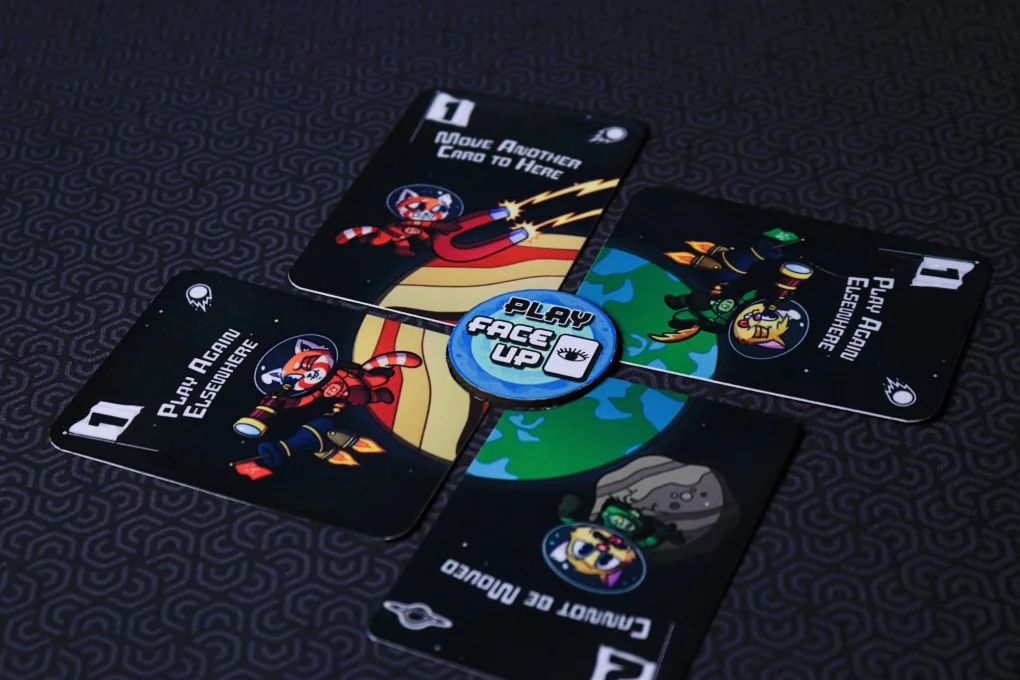
AstroPaws pairs shared card decks with changing planet rules, creating a quick contest of timing, tactical moves and table talk for two to four players.
Latest stories
AstroPaws pairs shared card decks with changing planet rules, creating a quick contest of timing, tactical moves and table talk for two to four players.
Knizia’s classic pairs kingdom building with hard choices about balance. A new edition from 25th Century Games brings fresh art and weighty pieces.
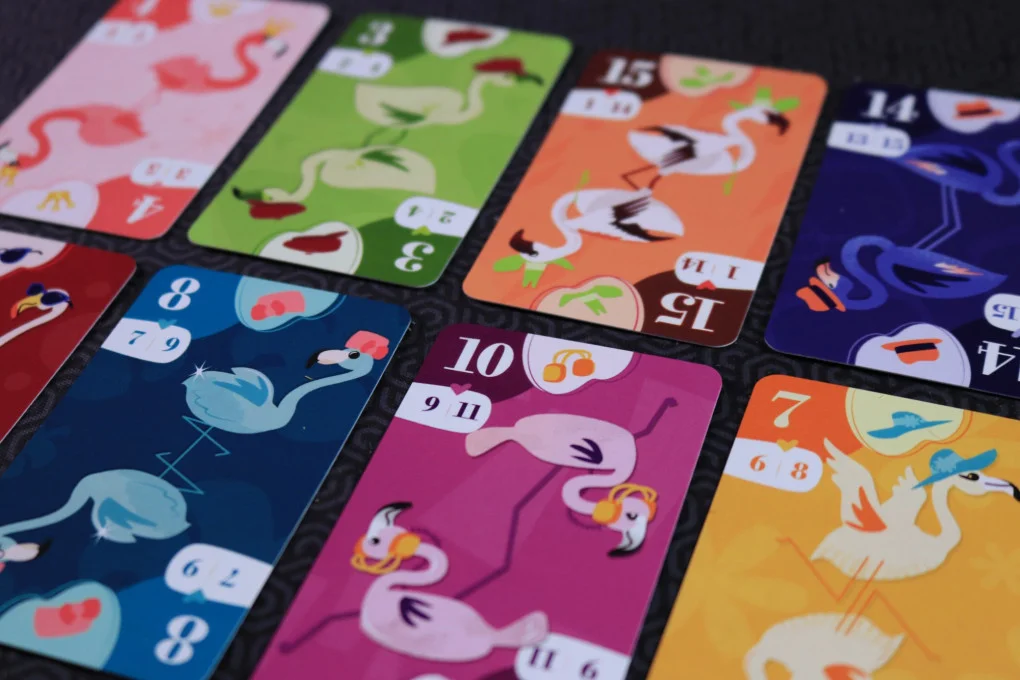
Carla Kopp’s flamingo card game pairs quick turns with layered scoring, as players build a Roost from the cards in a shared lagoon.
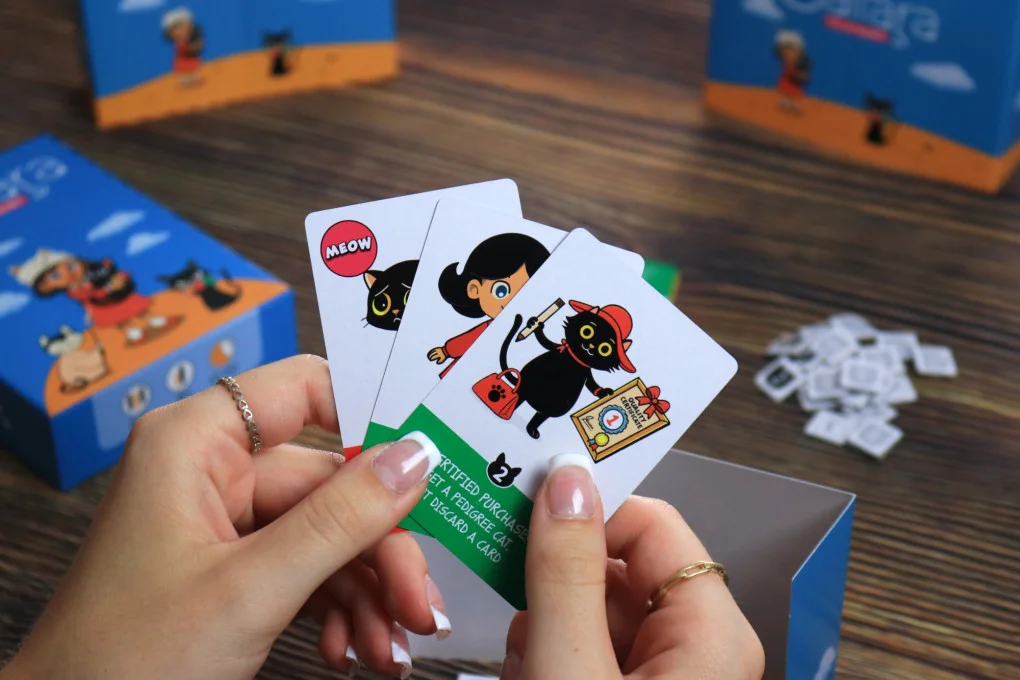
Gattara pairs hidden cat collections with quick card play, steals and MEOW counters. The prototype is expected on Kickstarter October 15, 2026.
The Ironclad can build around Strength, block, or exhausting cards—or simply pick strong options. Here’s what each approach needs and where it can falter.
The Silent rewards careful combos, from Burst and Catalyst to Shiv engines and discard loops, but her early game can leave little room for error.
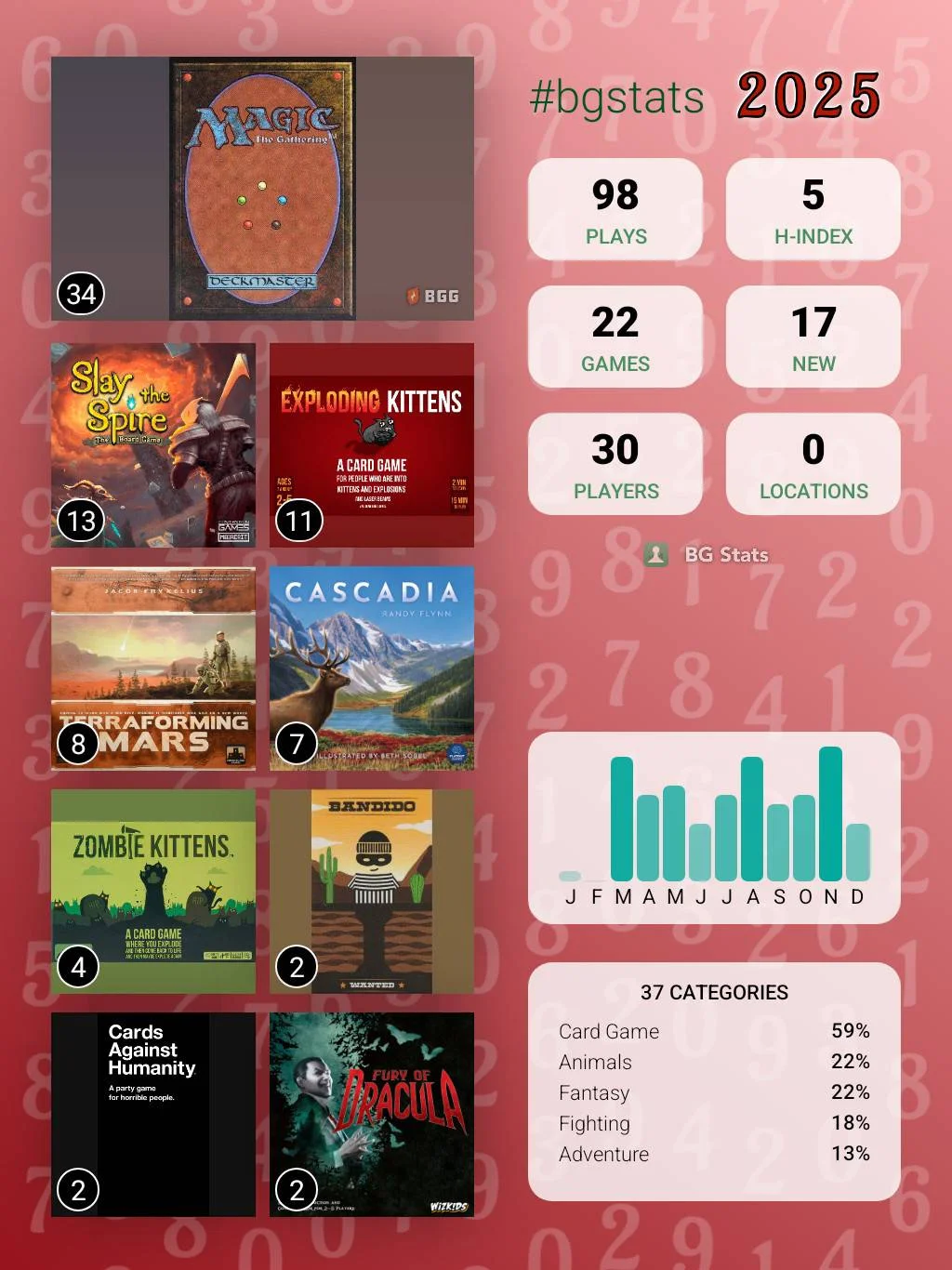
Slay the Spire logged 37 hours, while Cascadia and Flamecraft won personal honors. Here’s what the group played and hopes to try in 2026.
ARDEVUR pairs mine building and resource management with volatile sales and player interaction. Its disruptive Action Cards may need another pass.
The Defect rewards adaptable deckbuilding, from lightning and frost support to rapid 0-cost loops. Here’s what each approach needs to work.
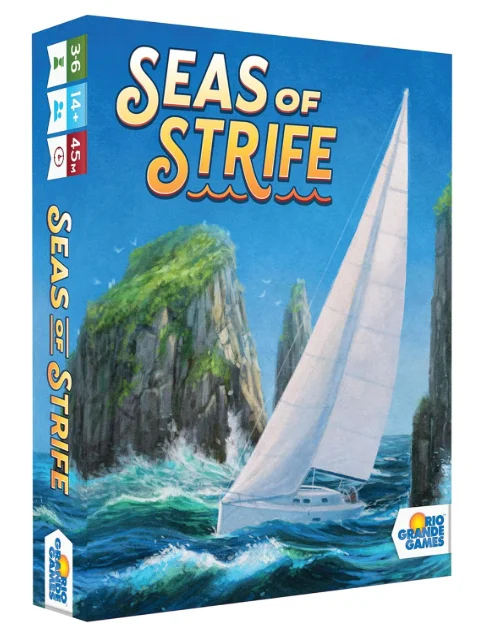
Seas of Strife turns familiar trick-taking on its head: players aim to collect as few tricks as possible while adapting to shifting suits.
Map an ancient tomb in 20 turns, balancing dice, gold and open routes in this portable solo or group puzzle from Spyros and Myrto.
The Watcher’s best decks start with Wrath and attacks. Stance switching, Miracles and Retain add useful twists, each with its own trade-offs.
A guide to Slay the Spire’s toughest achievements, with practical routes to repeatable card combos for all four characters.
Tabletop for World’s solo exploration game blends dice-driven mapping, tactical fights and choices that carry through a nine-mission story.
Mature themes can make roleplaying uncomfortable, but the author argues that groups should choose their own boundaries and play with care.
A Swords & Wizardry foundation can support a distinct game shaped by the people around the table and the choices they enjoy.
A look at the lasting emotions behind D&D, from suspense in a perilous fantasy world to the rush of overcoming its monsters.
Digital tools let artists make work outside traditional patronage and earn support directly, though social platforms bring new pressures and uncertainty.
The OSR’s early blogs offered home game inspiration, lively debate and collaboration—habits today’s readers can carry into newer corners of the scene.
Terms like “cinematic” can obscure what an RPG actually does. Clear language helps players, designers and critics understand the games they discuss.