Why Precise Language Matters in RPG Design and Discussion
Story by Travis Miller · 816 readers
Terms like “cinematic” can obscure what an RPG actually does. Clear language helps players, designers and critics understand the games they discuss.

When someone says “that’s just semantics,” they’re usually dismissing the very thing that could clarify a disagreement: what the words in that conversation mean. In role-playing games, terms such as “cinematic,” “railroading” and even “role-playing game” can carry different meanings for different people. That fuzziness makes online discussion harder to follow, and it can shape how games are designed and understood at the table.
Designers take part in the same broad conversation as players and critics, whether they intend to or not. If the shared vocabulary is loose, a game’s description may promise an experience its rules don’t produce. Players can then struggle to explain why a session feels wrong, especially if the language in a core book, adventure or supplement has already led them to expect something else.
The word “cinematic” is a useful example. It can describe a clear set of techniques in film, but RPG publishers and players often use it as if its meaning were self-evident. My read is that the word frequently points to heightened action: improbable combat feats, dangerous stunts treated as survivable, and rules that don’t ask players to track every round of ammunition. That’s a recognizable style of play, but it’s only one possible relationship between a game and film.
What “cinematic” describes in Feng Shui
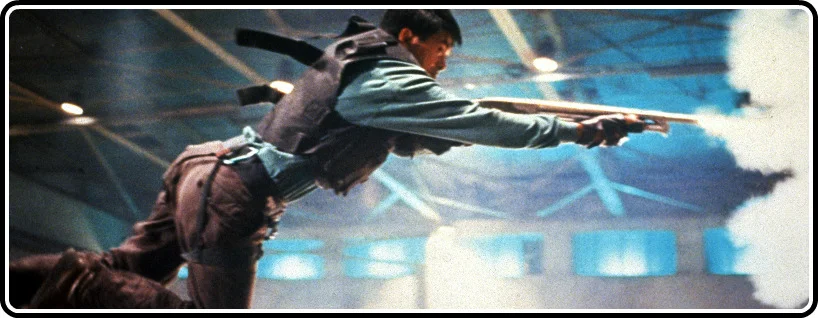
Robin Laws and Atlas Games describe Feng Shui as a cinematic role-playing game. The game draws on the wuxia genre and can aim for the emotional punch of Hong Kong action movies. As the original piece argues, those inspirations don’t make its play cinematic in the literal, visual sense: players aren’t watching moving images composed by a cinematographer.
The distinction may sound fussy, and for a group choosing a game it may not matter much. “We’re playing a cinematic 1980s action hero game” is efficient shorthand for setting expectations. Calling Feng Shui Hong Kong action cinema role-playing also gives a prospective buyer a quick reference point. But a more precise description would say that it shares a genre with those films, takes inspiration from them and uses their heightened internal logic, where characters can perform feats beyond real-world limits.
That distinction matters more when someone is analyzing design or making a claim about what a game does. A clear description gives readers something they can check against the rules and their own play. An undefined label asks them to guess at the intended meaning.
A test for the label
Try applying “cinematic” to a game inspired by Annie Hall. It could draw on a film’s characters, structure or tone, but it wouldn’t fit the action-focused meaning many RPG players attach to the label. A role-playing game based on Woody Allen’s films might be an unusual design challenge; its source being a movie wouldn’t automatically make its mechanics cinematic.
That thought experiment exposes the limits of using one adjective as a catch-all. If “cinematic” means any game inspired by a movie, it describes too many different things to be useful. If it means only games that evoke action heroes, it quietly narrows the word to one kind of film and one kind of play. Either way, the label can prevent useful comparison when nobody explains what they mean by it.
There’s also a difference between describing a game and selling it. “Cinematic” can make a product blurb sound vivid, but without specifics, it doesn’t tell a reader whether the rules support daring stunts, fast-moving fights, close emulation of a film’s structure or something else. The term becomes more helpful when a designer names the procedures that create the experience.

That’s cinematic.
Read the adjectives carefully
When reading RPG criticism, pay attention to adjectives attached to “game” or “RPG.” Words such as “cinematic” and “narrative” may signal assumptions the writer hasn’t spelled out. Before agreeing or disagreeing with the point, it helps to work out what the label means in that context.
The same habit can help when considering a purchase. A game might promise a genre you enjoy, such as grimdark fantasy, while its description also calls the experience “dramatic.” That adjective could point to mechanics that shape character choices, a particular tone at the table or simply a broad sales pitch. Looking for a concrete explanation can help you judge whether the game suits your group.
Careful language also calls for checking our own assumptions. What counts as a sandbox campaign? What does “old school” mean in a particular discussion? Those labels can seem familiar until someone asks for a definition. Examining the terms we use is a practical way to catch gaps in our own thinking as players, game masters and designers.
Precision won’t make every disagreement disappear. It can, however, reveal whether people are arguing about the same feature of play or using one word for different things. When a game’s rules or description use a broad label, look for the procedures behind it. That’s where a promise about the experience becomes something a group can actually assess.
Print (Opens in new window)Print · Email a link to a friend (Opens in new window)Email


