Slay the Spire: Building the Silent Around Poison, Shivs and Discard
Story by AnastasiosHJW · 712 readers
The Silent rewards careful combos, from Burst and Catalyst to Shiv engines and discard loops, but her early game can leave little room for error.
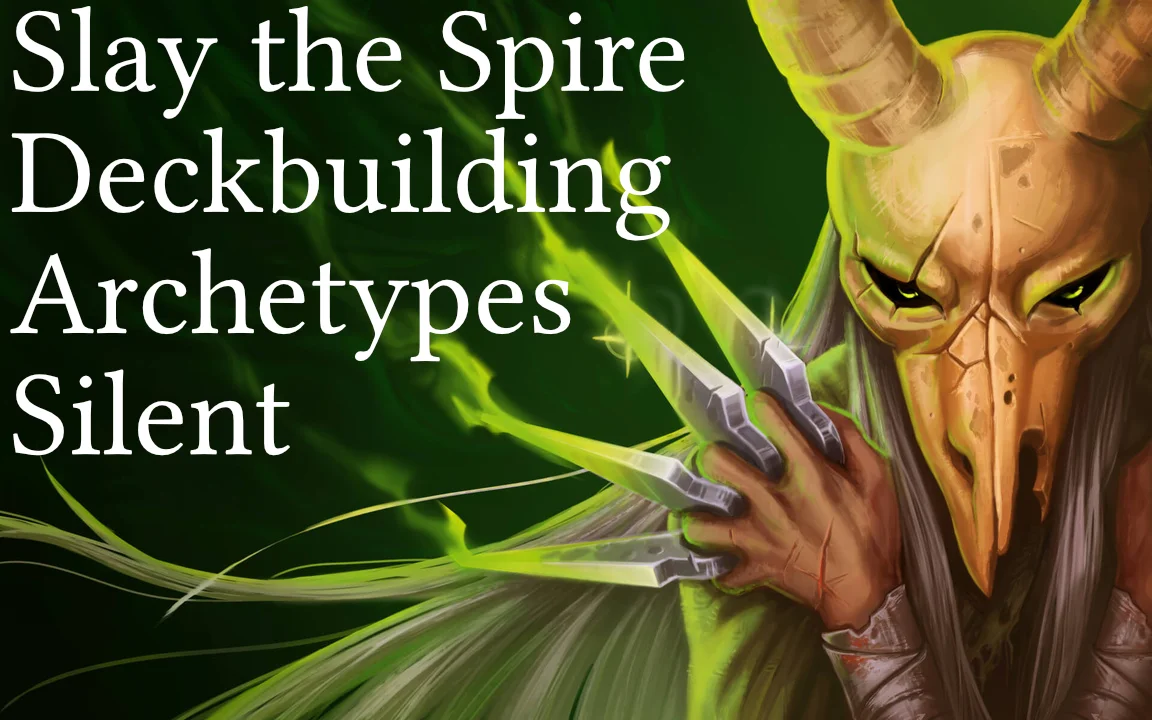
The Silent’s best turns feel like a mechanism clicking into place: poison keeps ticking while she blocks, Shivs turn a hand of small attacks into a flurry, and discard can cycle through the deck until the right pieces appear again. The tradeoff is that those turns often depend on assembling several cards. When one is missing, the Silent can feel short on options, especially early in a run.

This look at the Slay the Spire board game follows the discussion of the Ironclad. It assumes the Silent’s full card pool is unlocked and considers upgraded cards in many cases. The focus is on how her broad toolkit supports three main plans—poison, Shivs and discard—as well as the defensive and team support that can fit into all of them.
If you’re looking to buy Slay the Spire, it is currently on sale at Miniature Market.
Cards that fit almost anywhere
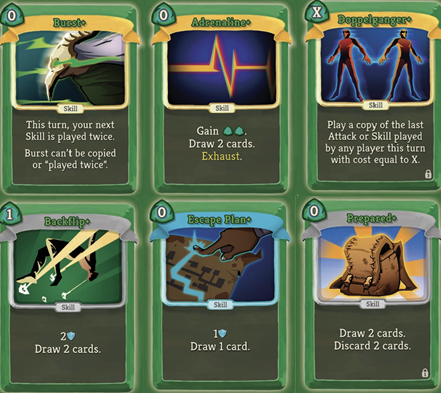
Some Silent cards ask for a particular plan; a few are useful across nearly every version of her deck. Adrenaline sits at the top of that list. It costs no energy, draws cards and provides extra energy, so it can help turn a promising hand into a productive one without demanding much from the turn. Burst is another standout. Because the Silent leans heavily on skills, playing a skill twice can create an especially large payoff. It fills a role similar to the Ironclad’s Double Tap, with more situations where it can shine.
Doppelganger is a more flexible, more expensive option in the same general family: it can give the Silent extra cards and energy for a later turn. Among the non-rare picks, Backflip is a tidy package of block and draw for a modest cost. Prepared and Escape Plan are useful low-cost ways to improve hand flow, too. These cards help the Silent find the pieces her plan needs, and they remain welcome even when the deck’s direction changes.
Block that supports the whole team
Defensive play isn’t quite a standalone Silent archetype, but it’s a strong layer to add to many decks. She can build reliable block without dedicating every card to defense. That’s a useful distinction: the Ironclad can reach high block by shaping much of the deck around it, while the Defect may need time to set up. The Silent has a more direct route through cards such as Footwork.
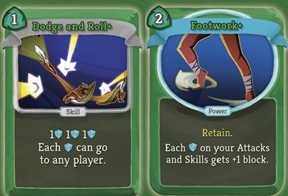
Footwork improves block from skills and attacks, making basic Defends more useful and strong block cards even better. Upgraded Dodge and Roll is a particularly efficient match. For one energy, it provides six block to distribute among players. Add Burst and that block can cover a full round for the group, giving allies room to spend their turns on attacks or setup.
There’s a rules detail to keep in mind: Footwork specifies block from skills and attacks. It doesn’t increase block from Powers or Relics, so cards such as Distraction and After Image don’t get the same boost. Calipers is a strong relic to pair with a block focused deck. Escape Plan and Deflect are useful additions, while Blur can suit a discard build. Deflect is especially appealing in a Shiv deck; Blur has a natural place in discard. The source’s less suitable relic picks for this plan are Centennial Puzzle, Incense Burner, Orichalcum and Self-Forming Clay. Dark Shackles, Finesse and Good Instincts are colorless cards to consider.
That defensive base can do more than keep the Silent alive. She has a broad selection of cards that help teammates, and those cards can enable a party member to focus on damage or expensive setup. An Ironclad building Strength can spend more turns attacking when the Silent covers some of the group’s defense. The Defect can benefit from the same support when its Powers compete for energy with other actions.
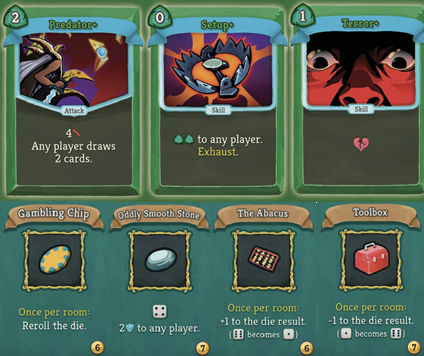
Weak is another piece of the support plan. The Silent starts with Neutralize and can find more cards that reduce enemy damage, helping protect the whole group. Footwork and Dodge and Roll are central choices here, while Predator and Setup can support a team focused on strong turns. Terror, Piercing Wail, Malaise and Distraction offer further utility. Oddly Smooth Stone, Pen Nib and White Beast Statue are useful relics, though they’re broadly valuable and may suit another character’s plan even better. Dolly’s Mirror, the Abacus, Toolbox and Gambling Chip are other options. Trip, Panacea, Blind, Good Instincts and Sadistic Nature can add useful effects as colorless picks.
Several of these relic suggestions assume a variant rule in which the group opens a number of relics for each player and chooses among them, instead of assigning each player the relic opened for them. The choice can let the Silent take a broadly useful relic while leaving a more focused option for a teammate. Sadistic Nature and Blind can also reward the Silent for placing status tokens on enemies, particularly Weak.
Poison: patient damage, with a rough opening
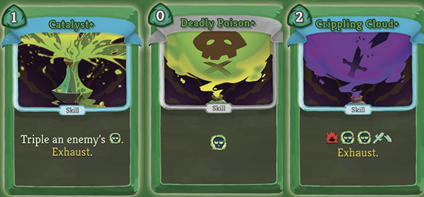
Poison is the Silent’s most direct route to sustained damage. It deals damage over time and ignores block, so once it’s on an enemy, the Silent can spend energy on defense or other useful actions while the poison continues to work. That makes it a strong answer to enemies that punish direct attacks, including the Spikers in Act 3 and the Guardian.
The plan has limits. Poison is excellent against one target but can be awkward against groups, and the Slime Boss is a difficult matchup. Catalyst is the key card to look for: upgraded, it triples an enemy’s poison. With Burst, the multiplier becomes nine times the original amount. Applying just three poison and then using that combination can bring the total to 27, close to the 30 damage cap, and the setup can happen early in a fight.
Burst also pairs well with Malaise. Along with its poison effect, Malaise can apply a large amount of Weak, potentially lasting for much of the encounter. Other poison cards can slot in readily, but a poison deck still needs enough defense and draw. Expertise or Escape Plan can help dig toward Catalyst, making the key combination more reliable than simply adding another Deadly Poison.
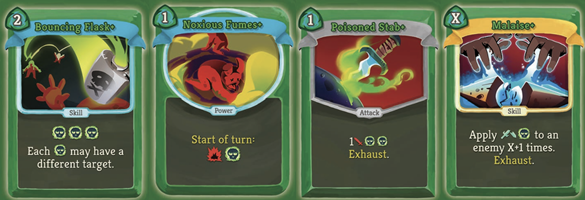
Envenom is the awkward exception. It’s powerful, but a conventional poison deck may not attack often enough to make the card worthwhile. The plan typically relies on skills such as Catalyst and Deadly Poison, leaving fewer attacks to trigger Envenom. That can make it a costly rare pick and a heavy energy expense, particularly when the deck already has other needs.
My read is that Envenom works best as a commitment made early, perhaps from Neow’s Blessing or a Golden Ticket. Once it’s in place, look for attacks that hit multiple times, such as Skewer, Flechettes and Dagger Spray. Shivs can also trigger it. The result may combine several styles instead of landing in a single neat category, and that’s fine: building around the strong cards already offered is often better than forcing a narrow plan.
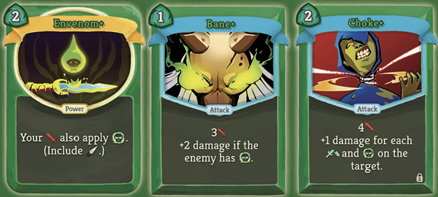
The biggest pressure on poison is the early game. The Silent can have trouble dealing enough damage in Act 1, particularly when playing solo. Block alone may not keep pace with enemies that grow more dangerous over time. Poison handles one large enemy or several very small ones, such as gremlins, but a couple of medium threats can be harder to manage. The Act 1 elites are especially demanding: the Guardian presents a tough fight, and Gremlin Nob can be disastrous for a poison deck played alone.
Enemies that return after being defeated can also expose the deck’s limits. Several poison cards, including Catalyst, Poisoned Stab and Crippling Cloud, exhaust, so the Silent may run short of ways to finish the encounter. Playing cooperatively can soften many of these problems, and by Act 2 the deck is more likely to have assembled the tools it needs.
For a poison build, prioritize Catalyst and Malaise, then consider the cards that apply poison, along with Distraction and Choke. Toxic Egg and War Paint are good relics for the Silent more generally; the source doesn’t identify a relic that specifically interacts with poison. Most attack and Shiv cards are poor fits, as are many attack or Strength focused relics. Sadistic Nature is a colorless card to watch for. The upside is strong single target damage and the freedom to block while poison works. The costs are weaker area damage, a slow start and a few particularly rough matchups.
Shivs: many attacks, many moving parts
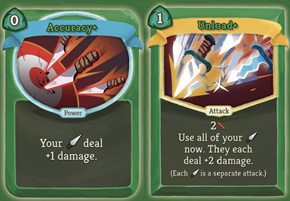
Shivs are zero cost attacks that deal one damage. The Silent tracks them with Shiv tokens, holding up to five at a time; if an effect creates more, the extra Shivs can be spent immediately instead of being lost. The archetype can put out excellent damage, but it asks for more pieces than poison does. Poison grows into a steady source of damage once applied. Shivs have to be generated and spent, and each one deals one damage unless the deck finds ways to improve it.
Strength is the obvious way to raise that damage, but the Silent doesn’t have much native access to Strength, so relics often need to supply it. Accuracy and Unload are more direct Shiv damage options. Unload rewards saving up a supply of Shivs before playing it, though even two or three can make it a worthwhile attack. Envenom also works well here, since every Shiv is an attack that can add poison.
The Silent has five Shiv generators: two common, two uncommon and one rare. Blade Dance makes three Shivs for one energy, while Cloak and Dagger provides two Shivs and one block for the same cost. Upgraded, Blade Dance offers a better Shiv to energy ratio than Riddle with Holes, which makes five Shivs for two energy. Riddle with Holes can still compare well when card draw matters: one card supplies its full set, while getting the same number from Blade Dance takes two copies.
Infinite Blades offers a steady source, but its Shivs arrive starting on the turn after the Power is played. That delay creates a familiar choice: spend energy now for a longer payoff, or use it on effects that could end the fight sooner? Infinite Blades costs just one energy, which helps make the decision easier. In practice, the archetype wants its available Shiv generators; the exact balance depends on what else the deck can support.
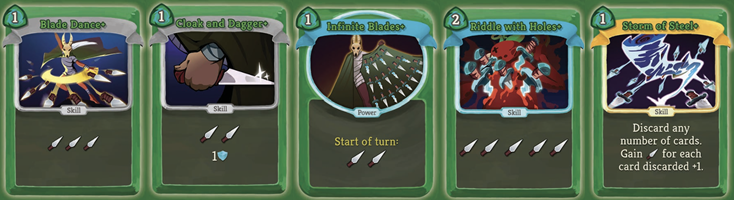
Storm of Steel, the rare generator, sits between the Shiv and discard plans. It costs one energy and turns discarded cards into Shivs. The Silent has good ways to draw, including her starting relic, but those cards may be more valuable when played than thrown away. Even so, discarding two cards creates two Shivs for one energy, or three when upgraded. Expertise can set up a larger turn: draw to seven cards, then convert the hand into Shivs. It’s a narrower interaction, but it shows why Storm of Steel can work in a deck that already has a strong draw engine.
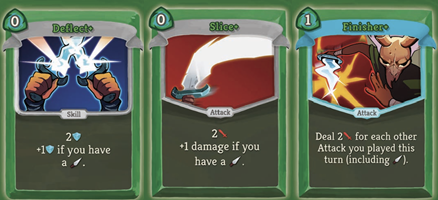
Not every useful card needs a Shiv icon. Deflect is a strong defensive addition: it costs no energy and provides three block, rising to five with Footwork. Slice is less compelling. Its three damage costs nothing, but a Shiv deck already has plenty of attacks, so the card may not add much. Finisher is a better payoff. Five Shivs played in a turn can make it deal 10 damage, and the total can climb higher if the Silent generates more attacks or gains Strength.
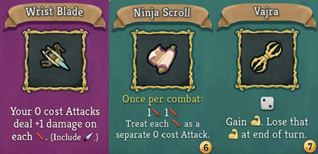
Wrist Blade is the defining relic for this plan. Ninja Scroll is less impressive on its own, but it combines well with Wrist Blade and can supply attacks that add to Finisher’s damage. Blade Dance, Accuracy and Unload are top card choices; Strength relics also help. Most cards with a Shiv icon are useful, with Slice the notable exception. There are no obvious bad relics for the archetype, though the source flags cards that a deck can’t use effectively as the main concern. Flash of Steel and Impatience stand out among colorless options.
When the pieces come together, Shivs can deliver excellent damage and clear out low-health enemies so allies can focus on other targets. It’s a lively plan, with the possibility of playing several dozen Shivs in a fight. Its weak point is the setup: scaling depends on particular cards or relics, and the deck leans on both skills and attacks. Enemies that counter either type, including the Guardian and Gremlin Nob, can make the plan uncomfortable.
Discard: draw through the deck and keep going
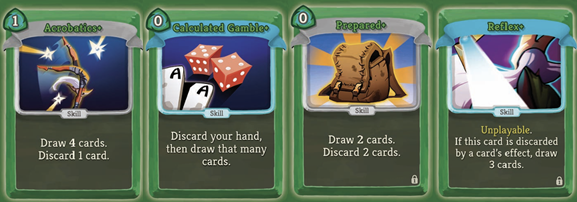
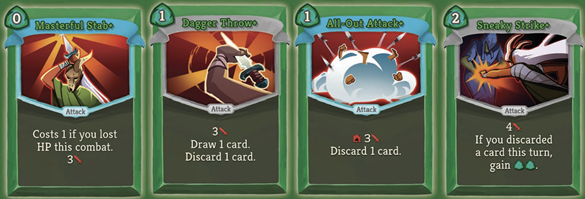
A discard deck needs answers to three practical questions: how will it discard, what benefit does that create, and what will deal damage? Often, the discard effects also provide draw. Acrobatics, Calculated Gamble and Prepared can turn unwanted cards into new options. Survivor offers block, while Dagger Throw and Storm of Steel can combine damage with discarding. Drawing cards is valuable, but the deck still needs a way to close the fight.
The damage plan often relies on cheap attacks that can be played as the hand cycles. Masterful Stab, Slice and Neutralize can all contribute, but Sneaky Strike is particularly important. The aim is to draw through the deck repeatedly, using large amounts of card draw to find free or effectively free attacks and replay them as the hand turns over.
Prepared and Reflex are central pieces. Prepared costs no energy and combines draw with a discard. Reflex draws more cards when discarded. Together, they help the deck keep moving, and they form part of a straightforward route toward an infinite loop: draw the deck into hand, then repeatedly cycle a small group of free cards. The details depend on the cards available, but the basic idea is to make discarding itself part of the draw engine.
Several rare cards can strengthen the plan without being mandatory. After Image adds block as cards are played, making it easier to devote the rest of the turn to drawing and damage. A Thousand Cuts provides another way to convert a high volume of cards into damage. Tools of the Trade can work in many Silent decks, but its discard and draw pattern makes it especially at home here. Adrenaline, Burst, Malaise and Doppelganger retain their wider uses.
Grand Finale deserves a mention because the board game changes one of the usual obstacles. The game has no maximum hand size, so a player can draw the whole deck into hand and then play Grand Finale. That doesn’t make it an automatic pick, but it can turn a card often treated as a novelty into a viable payoff when the deck is built to draw extensively.
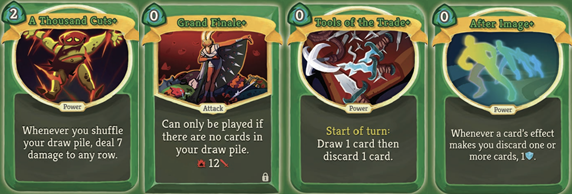
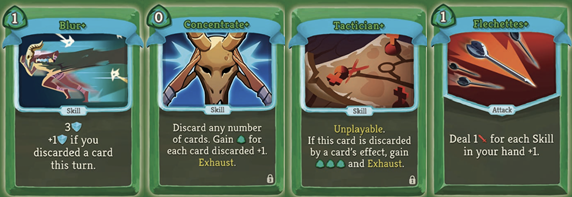
Calculated Gamble, Prepared, Reflex, Sneaky Strike and After Image are the leading picks for the archetype. Acrobatics, Tactician, A Thousand Cuts, Concentrate and Blur are also useful. Ring of the Serpent, Bag of Preparation and Ink Bottle support the plan; Red Skull and relics that draw more cards can help as well. Bullet Time is a poor match for a deck that wants to keep drawing. Flash of Steel, Finesse and Purity are colorless options. Purity can remove basic Strikes and Defends from the deck, though that may be more refinement than the build needs.
Discard is flexible and can mix with other Silent plans. A deep draw engine makes turns more consistent, and the deck can approach an infinite loop when its pieces line up. The cost is time: turns can run long, and all that shuffling may take a toll on card sleeves. Time Eater is another specific problem for the archetype.
Putting the Silent’s pieces together
The Silent’s appeal comes from the feeling that a few well chosen cards can create a powerful sequence. Burst and Catalyst can turn a small poison application into a major threat. A pile of Shivs can make Finisher hit hard. Reflex can help a discard deck loop through its hand, while Dodge and Roll or Setup can give an ally the space to take a big turn.
That potential comes with a real dependence on combinations. When a key card is missing, the Silent may struggle to make her turn count, and Act 1 brings that weakness into sharp focus. A practical approach is to take the strong, broadly useful cards when they appear, then build around the tools the deck actually finds. Poison offers steady single target damage and time to block; Shivs need more careful scaling; discard rewards draw and patience. Across all three, the Silent can also make the entire group safer.
The next character in this series is the Defect, a regular presence in the author’s group and sometimes a contested choice.