Affordable Creative Tools Help Independent Artists Reach Audiences
Story by Travis Miller · 317 readers
Digital tools let artists make work outside traditional patronage and earn support directly, though social platforms bring new pressures and uncertainty.

Artists have never had an easy path to a steady income. What’s changed is who can make work, how it can reach an audience, and who can pay for it. Affordable tools and direct communication give more creators a chance to earn a living on their own terms, even as the effort of finding an audience competes with time spent making art.
Patronage once set the terms
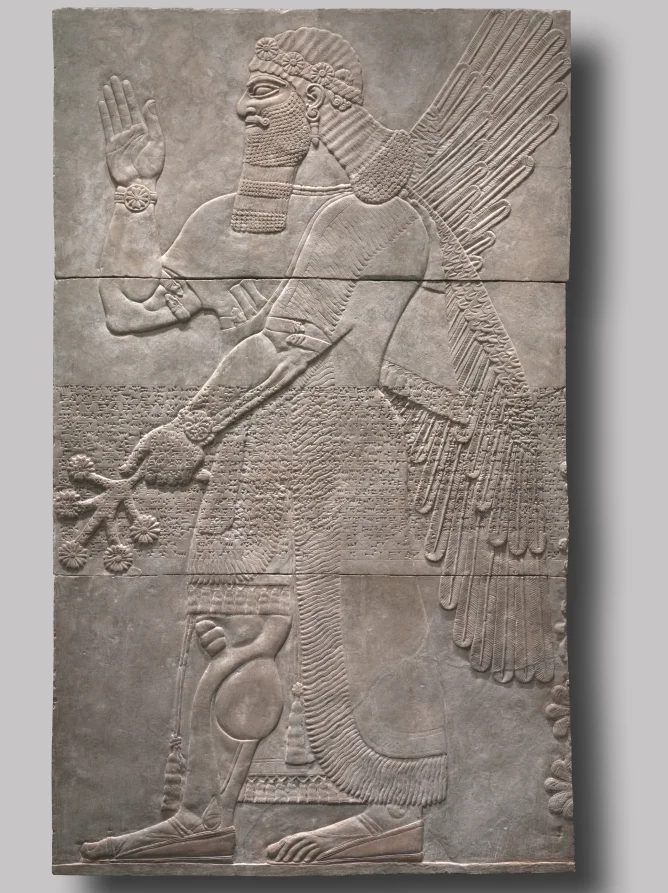
For much of history, full time artists were rare, and many worked for wealthy patrons or institutions. Museum collections make that relationship visible: rulers, religious figures and mythic heroes fill many of the oldest galleries. Those works required money and materials, so the people who could commission them often shaped what artists made.
Michelangelo’s career offers a familiar example. His work was often commissioned by the Medici, popes and the church, whose support helped pay for ambitious projects while also serving their own status and aims. He may have made art for the love of it, but the patronage system shaped which work could be produced at scale.
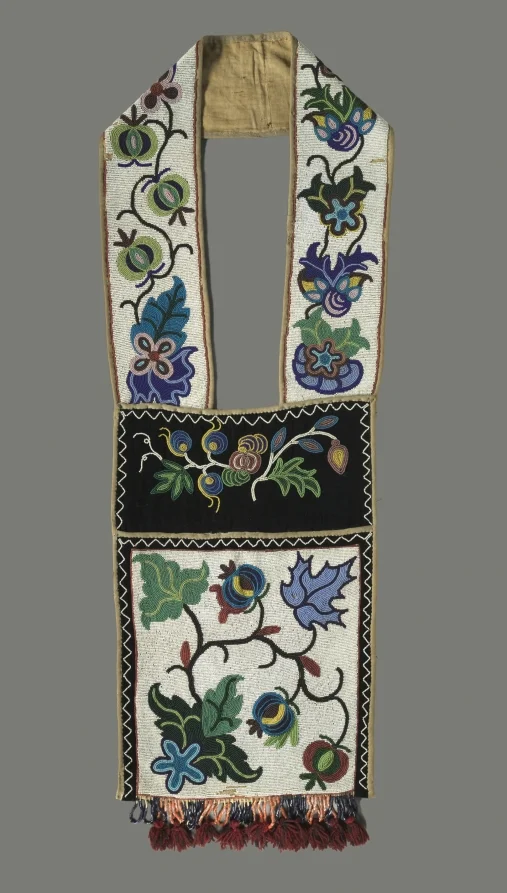
Folk art had a different place in everyday life. People made decoration for useful objects and created things for shared religious practices, but that rarely meant they could support themselves through art alone. A musician might play a wedding and then return to farm work. Making art for ordinary people was possible; earning a living from it was much harder.
Less expensive tools opened the door
Printing and recording technology created routes around older gatekeepers. Cheap paper and industrial printing helped pulp fiction reach readers, including stories such as Conan and Cthulhu. Four track recorders let bands make demos without booking a costly studio, giving more musicians a way to reach record labels from outside the professional circuit.
Personal computers, audio interfaces, Photoshop, digital printing and smartphones have widened that access further. With a modest budget, a creator can record an album, lay out a book, edit a film or develop a game using a laptop and persistence. Work at a level that once called for Hollywood, major publishing houses or Nashville production can now begin in a small room.
The change affects both who gets to create and whose tastes can support the work. Artists can make music, films and other projects that wealthy patrons or established companies might not back, then seek enough individual supporters to cover their costs. That audience may not make an artist rich. It can still make rent possible while leaving room to follow a personal vision.
Social platforms made discovery easier, then less dependable
Before social media, promoting a show could mean printing flyers and putting them up wherever people might see them. The author recalls doing that for school theater and university readings in the 1990s. Bands spent hours finding places to post notices, and a photocopied slip handed out at a bar could be part of the plan.
Platforms such as MySpace, Facebook, Instagram and Twitter made it faster and cheaper to tell people about a performance, independent film or new release. Someone already interested in that kind of work could encounter it in a feed, then buy a ticket or watch the film. For creators with little money, that reach was a meaningful improvement.
But a social account is rented space. The author describes the arrangement as digital sharecropping: creators build an audience on a platform they don’t own, while the company controls how posts circulate and can change the conditions of access. The practical lesson is familiar from farming: people who want control over what they produce and how they earn from it need a way to reach supporters beyond someone else’s land.
Attention takes time away from making
Artists still need to promote their work, and social media rewards frequent posting. Dedicated online personalities can spend their days making videos or maintaining feeds; working artists may be occupied with writing, composing, painting or designing. They may not have the time to post several times a day across multiple platforms, or the income to hire someone who can.
Social media can connect writers, game designers, filmmakers and musicians with people who will pay for their work. Learning how to make posts that reach those people may improve the odds, but there’s no guarantee of a large audience or a sudden burst of attention. Success also depends on forces beyond the quality of the work or the effort behind it.
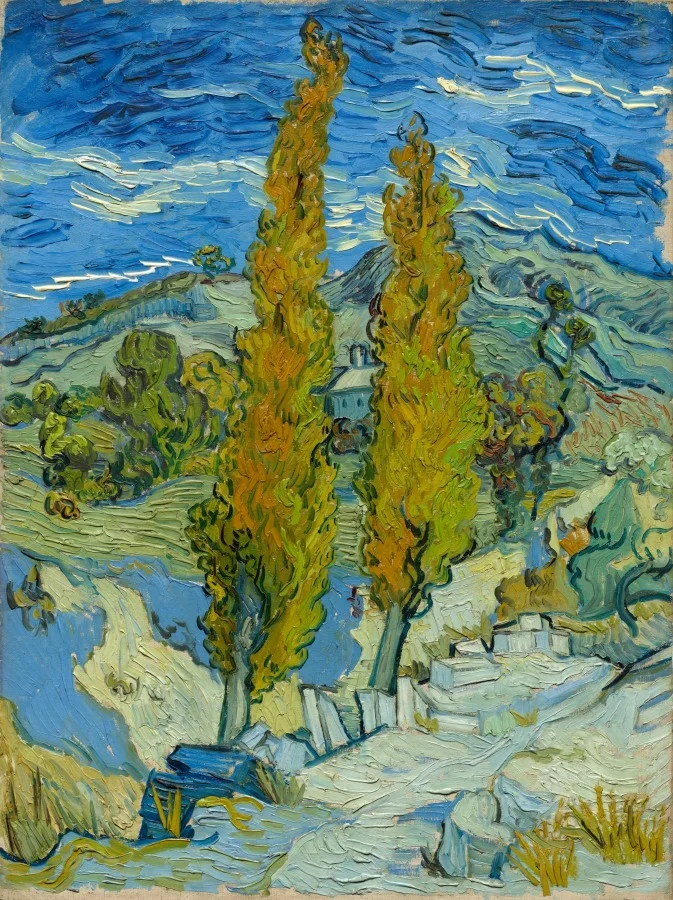
Art history offers a sobering reminder: some artists became famous only after their deaths. Vincent van Gogh’s Two Poplars in the Alpilles near Saint-Rémy, painted in 1889, is one example of a career whose later reputation can’t tell us what it was like to seek recognition while alive.
A wider path, with no easy guarantees
The case for today’s creative economy isn’t that making art has become easy. It’s that artists can speak directly to ordinary people who may each contribute a little, with those small payments adding up to a livelihood. That possibility gives creators more room to work outside the tastes of powerful patrons and institutions.
Platform companies can still exploit creators’ dependence, and artists still compete for attention. Yet the tools to make work and find an audience are more widely available than they have been before. For artists, the practical task is to protect time for the work while building direct, lasting relationships with the people who want to support it.


