My Free Concert NFTs Show Why Digital Collectibles Still Need a Reason to Matter
Story by TardisCaptain · 770 readers
A ticket vendor gave the writer free NFTs, but generic images and no entry function left little to collect. The experience sharpened his doubts about NFT value.
Two pairs of free concert NFTs left me with a clearer question than any sales pitch could answer: what makes a digital collectible worth keeping? The tokens were attached to concert tickets I’d bought for the music and an evening with my wife. They didn’t admit us to the shows, and their generic ticket images gave me little reason to trade, gift or display them. The giveaway didn’t change why I’d bought the tickets. It did make the gap between owning a token and caring about what it represents feel hard to ignore.
A cautious approach to new technology
I’ve spent plenty of time helping family members and colleagues get their devices working. That earned me a reputation as a “technology whisperer,” though fixing a setting is a different thing from wanting to be first in line for a new gadget. I tend to poke around until I find the function that solves the problem, then leave the early testing to someone else.
That approach has served me well. I hesitated before setting up a wireless router at home because I worried about unwanted connections. Once I understood the security options, I was comfortable using one. With new operating systems and phones, I’m also content to wait while the first bugs get worked out. So when cryptocurrency and NFTs began drawing attention, my first reaction was simple: no thanks.
My initial concerns came through my college-aged child, an art student. They described artists’ work being turned into NFTs without the artists’ permission, a practice that upset many people in the art community. That was a troubling introduction to a technology whose value often depends on claims about ownership and scarcity.
What an NFT does—and doesn’t—own
NFT stands for non-fungible token. In plain terms, it’s a blockchain record associated with a digital item. The record identifies a particular token and tracks its ownership. Artwork is a common example, but people have also attached tokens to videos, music, in-game items and other digital goods.
The token’s record can be distinct, but that doesn’t automatically make the image or other item scarce. Someone can still save a copy of an image. And owning the token doesn’t mean the owner has a print hanging on a wall or the practical use of a concert ticket. Those differences matter if the pitch is that a token should have value because it’s unique.
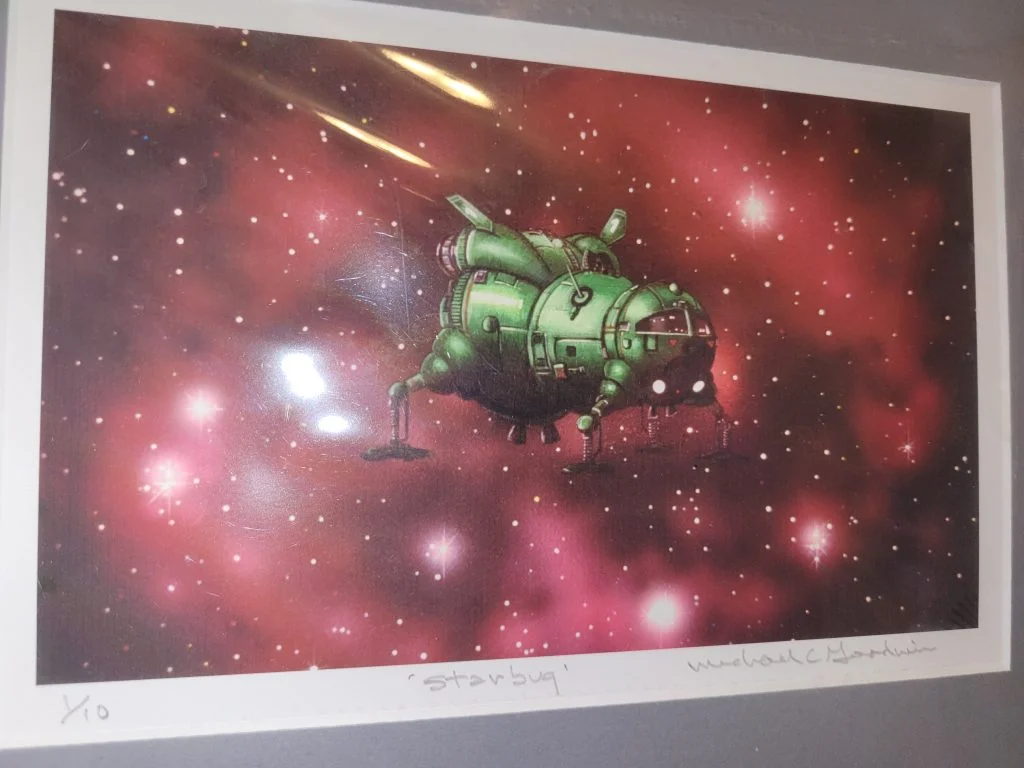
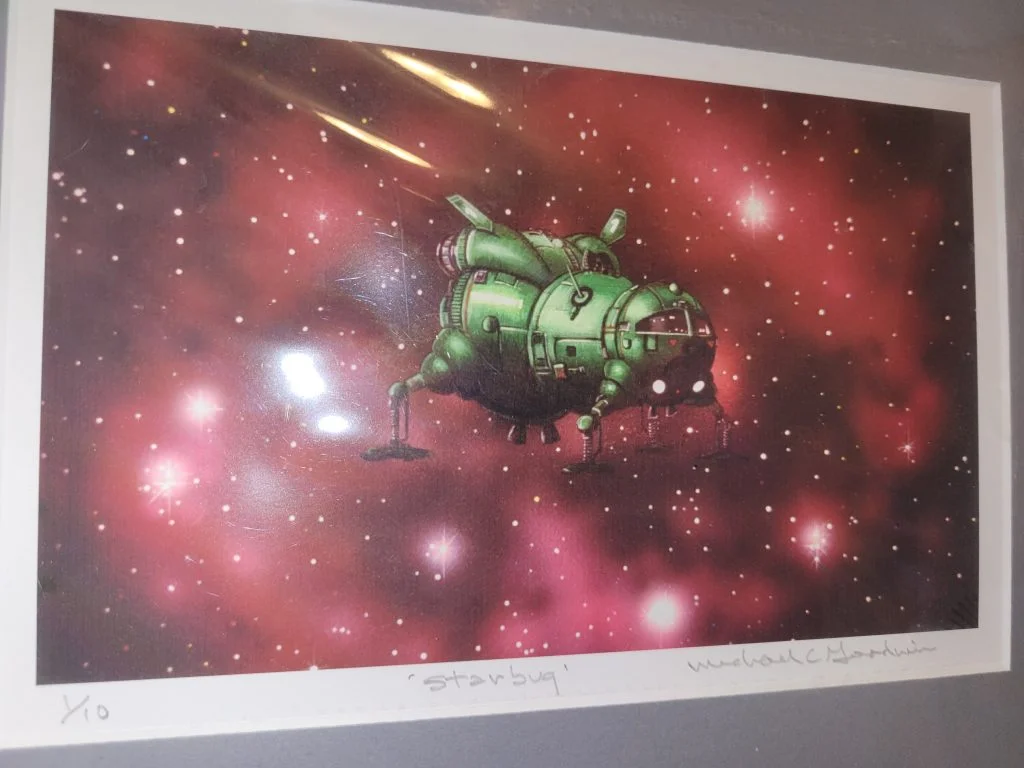
I understand the appeal of a limited art print. The example that makes sense to me is a signed piece by artist Michael Goodwin: print 1 of 10 featuring Starbug from Red Dwarf. The artist made it, signed it and received money for it. I can put it on my wall and keep enjoying it without relying on an account or server. That’s a clear connection between the creator, the object and my enjoyment of it.
Digital ownership can offer a different kind of connection, but I need more than a numbered record to care. A blockchain entry doesn’t, by itself, give me the pleasure of a physical print or make an image meaningful. Nor does it ensure that the digital item will remain accessible if the service hosting it disappears or an account is compromised. The question isn’t only whether a token is unique. It’s whether the thing attached to it gives its owner a reason to value that uniqueness.
Scarcity is a weak substitute for attachment
I’m wary when limited availability is doing most of the work in a product’s pitch. That instinct has shaped how I approach collectibles: I didn’t rush into collectible card games just because the word “collectible” was on the box, and I usually choose one cover when a comic issue gets many variants. I want the story inside. Artificial scarcity may interest some collectors, but it doesn’t replace a reason to care about the item.
Some NFT prices have made that distinction especially stark. At the Mission: Chicago Star Trek convention in April, the Admiral Pack was listed at $250. At the time this piece was published, the same pack was available on the seller’s site for $189. One Bored Ape token reportedly sold for $50,000 in 2021 and changed hands for $115 in 2022. A MarketWatch article also reported that Bored Ape prices had fallen 60% in a month earlier that year.
Those examples don’t tell us what every NFT is worth, or what any particular one will be worth later. They do show how quickly a collectible price can lose its shine when buyers stop treating scarcity as enough. Attaching a familiar brand to a token doesn’t guarantee that fans will want it; there still has to be something appealing to own.
A free extra still needs a purpose
The concert NFTs arrived by email from the ticket vendor after I’d bought tickets. The vendor described them as free, and the account showed two similar-looking digital tickets. A few weeks later, the tickets for another concert appeared there too, again with much the same plain artwork. The suggested options were to trade them, give them to friends or sell them to collectors.
But they couldn’t get us into the venue, and I didn’t find their images memorable. A different illustration for each token might have made them more enjoyable as souvenirs. As they were, I couldn’t see why I’d trade them or why someone else would want to collect them. The tokens added a step to the experience without adding much feeling.
The purchase itself was straightforward: my wife and I wanted to see artists we liked. If I’d hesitated, the ticket price would have mattered. The chance to receive an NFT wouldn’t have tipped the decision. For digital collectibles to mean more to people like me, they need a clear connection to the experience: a souvenir worth revisiting, artwork with a meaningful link to its creator, or some other benefit the owner can actually appreciate.
A friend once suggested that a useful sign of a new medium’s appeal would be whether the adult entertainment industry adopted it. That industry has used many formats to reach audiences, from magazines and home video to online services and streaming. It’s a wry test, not proof that a technology will last. For now, the chains I see around NFTs are the bondage kind, not the blockchain kind. My free concert tokens haven’t changed my mind; they’ve shown how much a collectible needs to offer beyond its record of ownership.


