RDTN Episode 197: Coldest Night, Musical Chairs and Finding the Right Player Count
Story by Tony McRee · 953 readers
The hosts discuss two new games, digital board game releases and why a listed player range doesn’t always reveal the best way to play.
What makes a game worth bringing back after it beats you? For Marty and the RDTN crew, Coldest Night offers a clear answer: a brisk cooperative challenge with enough uncertainty to make another attempt appealing. The episode also turns to Musical Chairs, digital versions of familiar tabletop games, and a perennial design question: when a box lists a range of player counts, which number makes the game work best?
A cooperative game built for another try
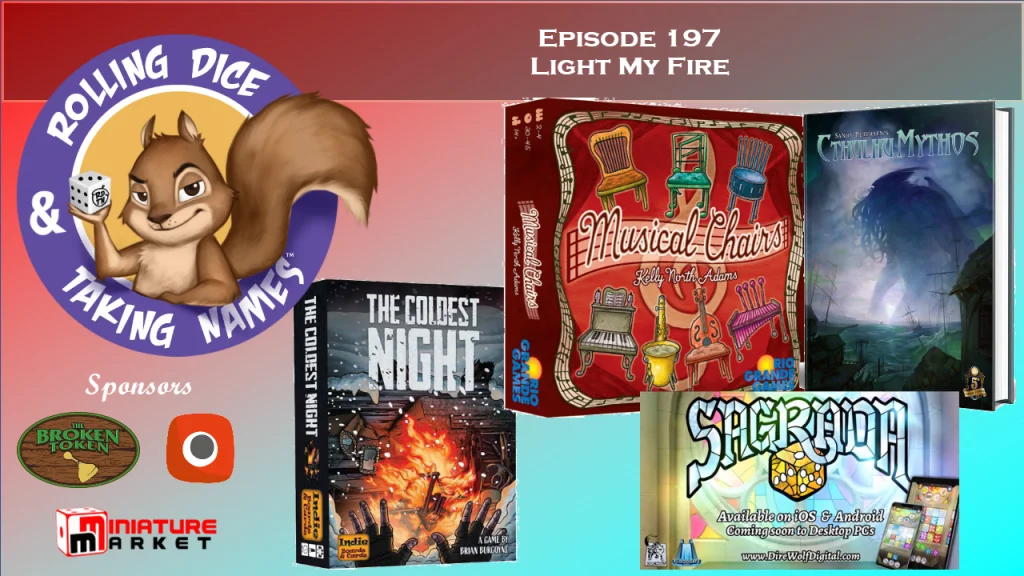
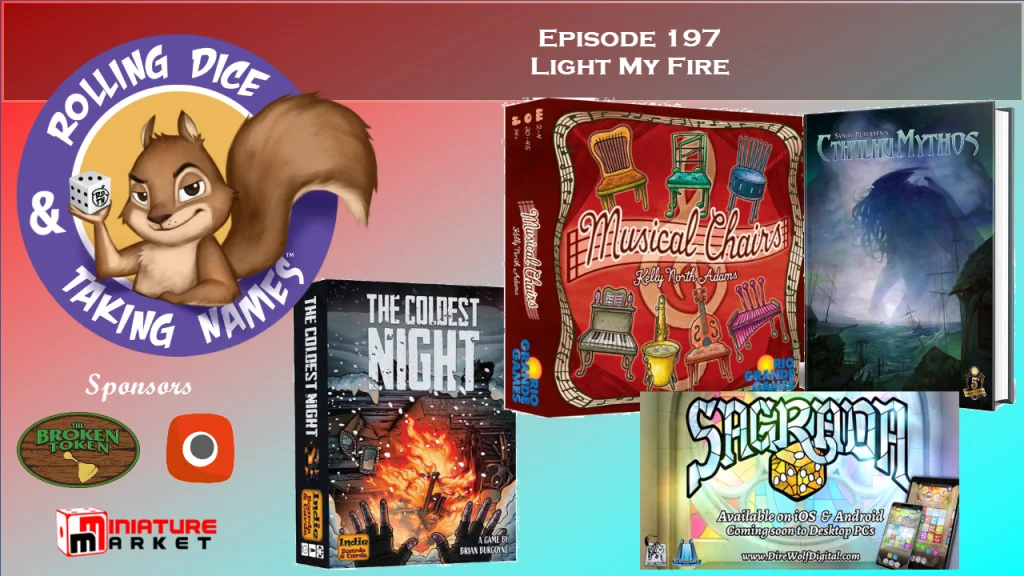
Coldest Night, from Indie Boards & Cards, is described as a light cooperative game with a tough challenge. Its card-based play brings luck into the mix, so planning matters without making outcomes entirely predictable. That combination gives the game its pull: a loss can leave players thinking about a different approach and eager to try again.
That’s a familiar strength in a compact cooperative game. When a group can see how its choices shaped a difficult result, the next round has a purpose beyond simply repeating the first. Randomness can complicate a plan, while strategy gives players something to work with when the cards turn against them. The episode’s impression is that Coldest Night aims for that balance: accessible enough to play quickly, but challenging enough to invite another go.
The hosts haven’t yet explored how the experience changes with a larger group. That leaves player count as an open question for their own future plays. More players can change how a cooperative table discusses decisions and shares responsibility, so the number around the table may affect the feel of a game even when the underlying challenge remains familiar. For now, the episode offers a first impression rather than a settled verdict across every possible group size.
Musical Chairs brings a party idea to the table
Vanessa returns to the show to talk with Marty about Musical Chairs, a board game built around the idea of the party game. The premise caught the hosts’ attention, and their conversation leaves them curious about how lively a larger group might make it. They haven’t played it together yet, so the discussion is anticipation rather than a report from a full group session.
That distinction matters when a game’s appeal depends on the people playing. A party game can sound promising in description, but its table energy becomes clearer once a group gets hands-on. The hosts are particularly interested in how Musical Chairs might feel with more players, and they’re looking forward to giving it a try. Their joking thought that the show could use a segment where one host responds to another’s independent plays points to a useful format for games like this: first impressions are more revealing when the rest of the table can compare them with their own experience.
Player count is a design decision, not just a box detail
The episode’s closing discussion asks whether a game’s listed player count fits the kind of experience its designer wants to create. A range tells shoppers and groups how many people can sit down to play, but it can leave another practical question unanswered: at which count does the game feel at its best?
That question reaches beyond the number printed on a box. Different group sizes can shape the pace, the amount of table discussion and how often each player gets to act. A design that accommodates a broad range may still play differently at its low and high ends. For players choosing a game for a particular evening, the useful recommendation is often the count that best supports the game’s rhythm, rather than simply knowing the outer limits.
The hosts also reflect on how their own game choices have shifted during a period of isolation. Some longtime favorites haven’t been reaching the table, while solo and separate plays have become more common. That change helps explain why player count feels especially relevant: a game’s advertised range may not match the group a player can gather right now. Their conversation connects the designer’s challenge with the player’s everyday decision about what will actually get played.
More stops across tabletop gaming
Beyond the two featured games, the episode touches on digital adaptations and new projects across board games and roleplaying. The hosts discuss a Sagrada iOS app and Undaunted: Normandy Online, then move through Pathfinder Second Edition material from An Eldritch Dream Games and Sandy Peterson Games’ Cthulhu Mythos offerings.
Other stops include Capstone’s Terra Mystica and Gaia Project, conversation about Capstone, Portal Games, Marty’s new studio, and a video in which Marty helps Chaz again. The schedule also includes talk of bandannas and handkerchiefs, Miniature Market, Bicycle Games’ The Alpha and Exchange, Board Together Games, Tabletop Showcase and The Broken Token.
For listeners choosing what to explore next, the episode’s most actionable thread is its question about player count. As the hosts get more opportunities to play together, their experience with Coldest Night and Musical Chairs should add a practical answer: which group sizes make each game’s central idea sing?