The A.R.T. Project Review: Tense Cooperative Art Recovery
Story by Nick T · 478 readers
The A.R.T. Project pairs tight resource management and limited table talk with tense dice fights, varied maps and striking Vincent Dutrait artwork.
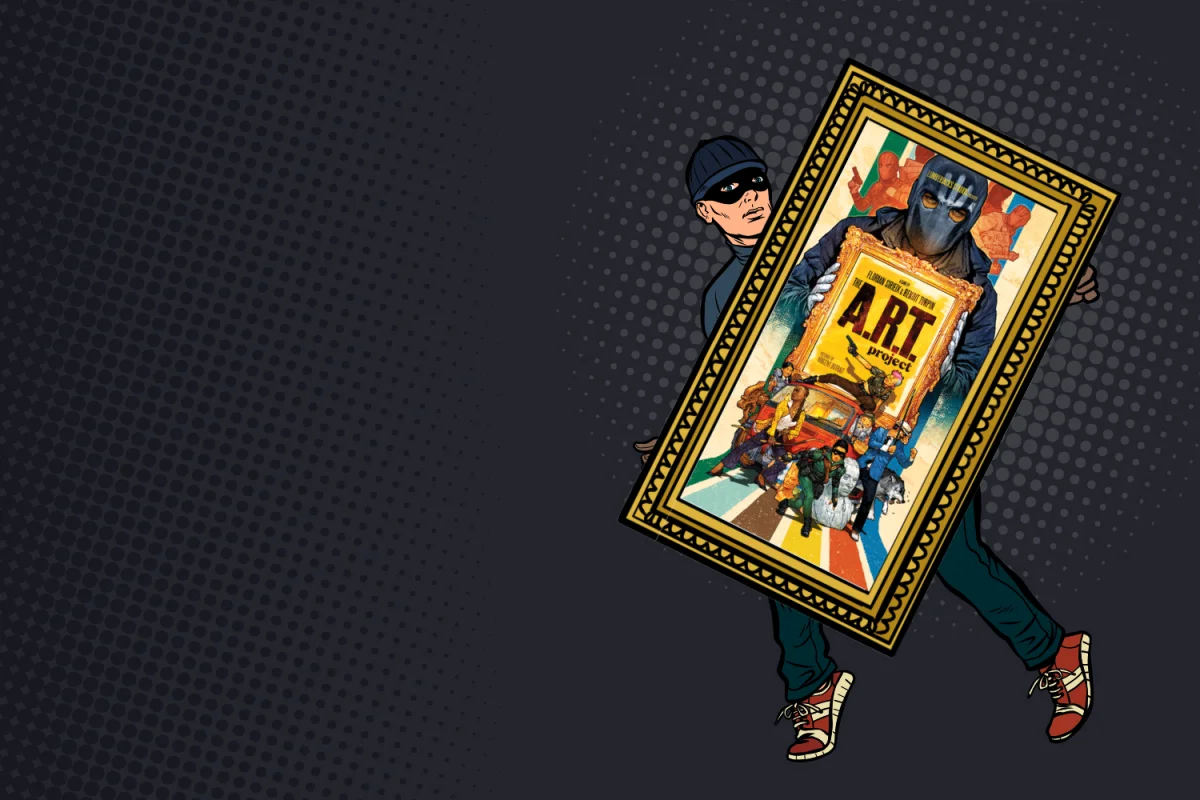
The A.R.T. Project makes the familiar cooperative mission feel personal by asking players to coordinate with incomplete information. You’re an Art Rescue Team trying to recover stolen works while a rival network, the White Hand, spreads across the map. The game’s strongest decision isn’t simply where to go or what to fight: it’s when each player should act, and how much they can reveal about the cards in hand.
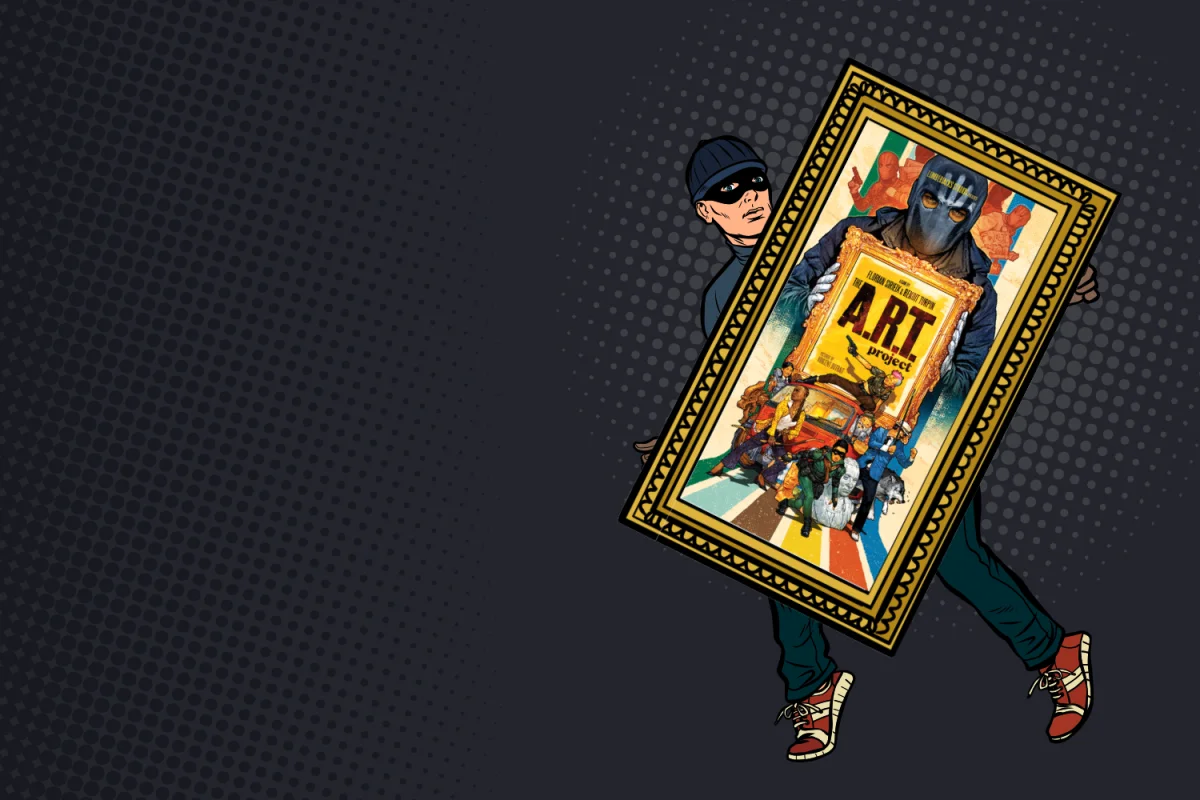
The result is a tense, family-weight game with a clear arc. Early turns are about getting resources and positioning the team; later, the opposition grows stronger just as players are trying to secure the last pieces of art. Luck from the dice can decide a close fight, but planning and careful use of supplies give the group plenty to work with.

Coordinate your turns without laying everything out
There’s no fixed turn order. At the start of a round, each player draws two mission cards, chooses one to activate, and discards the other. The group can discuss who should act first and what the team needs, but the interesting tension comes from holding some details back. Players can describe the likely effects of a card in thematic terms instead of reading it aloud, which keeps the conversation focused while leaving room for uncertainty.

Each mission card can carry a cost, strengthen the White Hand’s presence, and provide a resource reward. Matching symbols across played cards can also place an art crate on the corresponding board space. The team must weigh these effects together: a useful reward might come with a cost elsewhere, and the timing of a card can matter as much as its contents.

Once players have settled on their cards and order, they spend fuel to move around the map. A player can collect an art piece from a city if one is there and no enemy pawn occupies it. Then comes combat. Players roll dice against the White Glove forces in their current locations, using gun tokens to improve their chances and walkie talkies to call in extra dice.

That opposition doesn’t stay at the same strength. As the team recovers more art, the White Gloves become tougher, though backup dice become cheaper. This makes the late game feel like a push: the group has more ways to call for help, but each fight is more demanding. A bad round can also have lasting consequences. If too many White Gloves occupy a city at the end of a round, it becomes fallen and impassable, while bolstering the enemy force.

Every resource has a second job
Managing supplies and health is central to the experience. Hearts protect the team, but they can also be spent as wild resources. Use too many and a character dies, ending the game for everyone. That turns each heart into a difficult choice: spend it to solve an immediate problem, or preserve it in case the next encounter goes badly?

The reviewer found that the game often came down to the final moments, sometimes to a last dice roll. The dice bring a real element of luck, and the feeling of a close defeat can sting in a cooperative game. Still, tense losses encouraged another attempt rather than ending the evening. The reviewer had won more games than they’d lost, with some victories arriving on the last roll, but hadn’t tried the rulebook’s hardest suggested setup, which starts each player with just one heart.

Several maps add variety through small rule changes. They give repeat plays a different shape without making the rules feel overloaded. Character choice, by contrast, is mainly cosmetic: characters don’t have different powers. The reviewer would have liked randomly assigned roles or other player abilities to add another layer of variation, but the maps already help keep the core challenge fresh.

A familiar cooperative framework with its own rhythm
Fans of Pandemic will recognize the broad appeal: the team faces a spreading threat, works to meet shared objectives, and has to make hard choices with limited resources. The A.R.T. Project sits in a similar family-weight space, yet its variable turn order and restricted card discussion give it a distinct table feel. The group can identify an ideal plan, but the cards in hand may force each player to decide which part of that plan they can support—and when to commit.

That structure also makes it harder for one confident player to dictate every move. Everyone can discuss the situation, but players still control their own card choices and timing. The reviewer found the game a little quicker and smoother than Pandemic, with the different maps helping each session feel less repetitive. Other games suggested for players who enjoy it include Chronicles of Avel, Atlantis Rising and Forbidden Desert.

Art and components set the scene
Vincent Dutrait’s artwork gives the table a strong visual identity, and the components support the covert recovery theme. The player pawns look like chess pieces, while the board suggests a map used to oversee missions. Wooden White Glove figures, guns and fuel cans make the supplies easy to read at a glance, and the reviewer praised the overall quality and color palette.

The rulebook is concise and designed to match the game’s presentation, with tabs that help players find information. The box has an unusual size, but the components fit neatly inside without needing an insert. For the reviewer, the visual presentation was a highlight throughout, with no significant complaints.

Who should bring it to the table?
The A.R.T. Project supports 1 to 6 players. The reviewer considered the two to four player range its sweet spot and would choose five as a personal maximum. Although solo play is included, they hadn’t tried it. At higher player counts, added difficulty and downtime may make the experience less appealing.

The listed recommended age is 12+, and the stated playing time is 15 minutes, with setup and takedown listed at 1 minute. Florian Sirieix and Benoit Turpin designed the game, Hachette Board Games published it, and the listed RRP is £38.00. The reviewer’s copy was gifted by Hachette Board Games UK; they stated this did not affect their opinion.
The review awards The A.R.T. Project an overall score of 4. Its strengths are the striking table presence, tense play, map variety and family-friendly weight. Its drawbacks are dice luck, the absence of different character powers and the deflating nature of a shared defeat. For groups that enjoy cooperative planning but want every player to retain meaningful control over their turn, the card timing and careful resource choices give this art recovery mission a satisfying pull.


