Star Tycoon, Cities and Landmarks Lead RDTN Episode 327
Story by Tony McRee · 713 readers
RDTN Episode 327 weighs Star Tycoon’s market balance, Cities’ objective focus and player interaction, with Landmarks and Star Wars Unlimited also on the playlist.
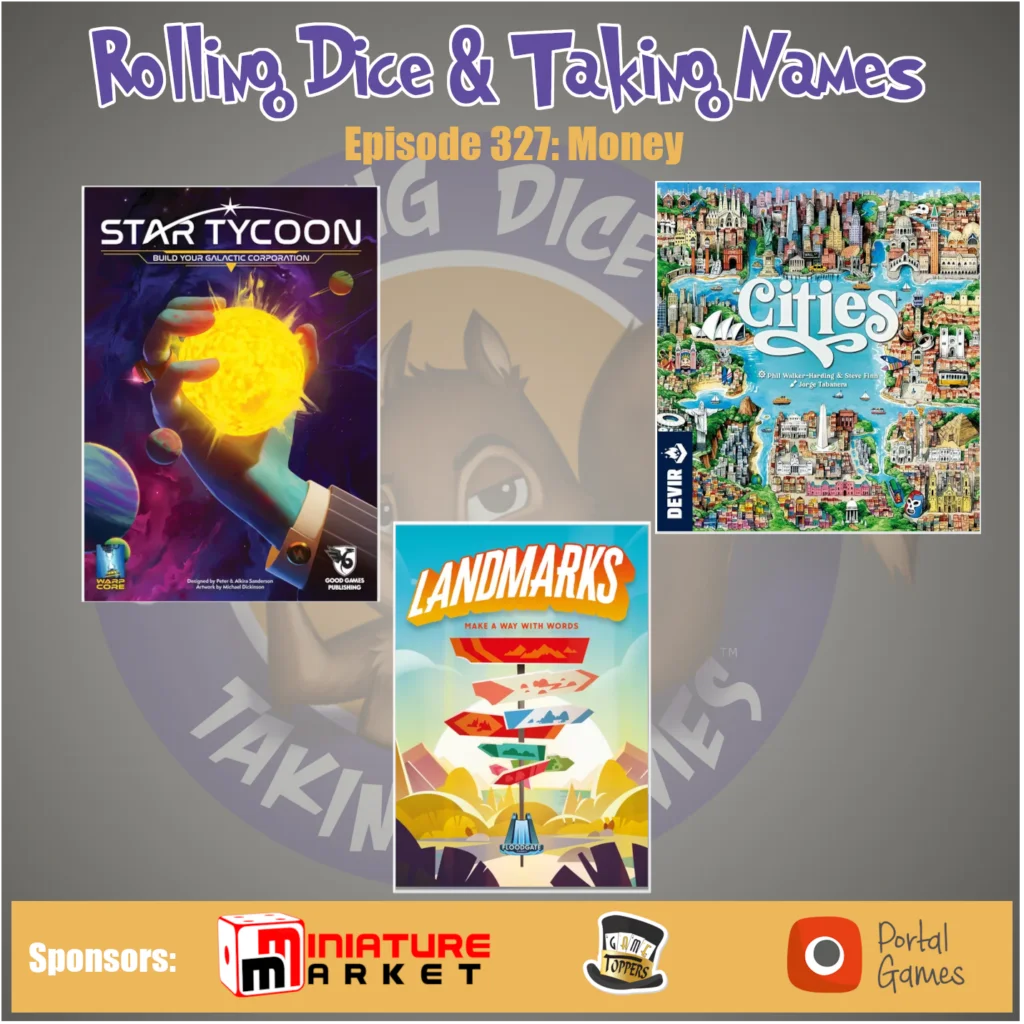
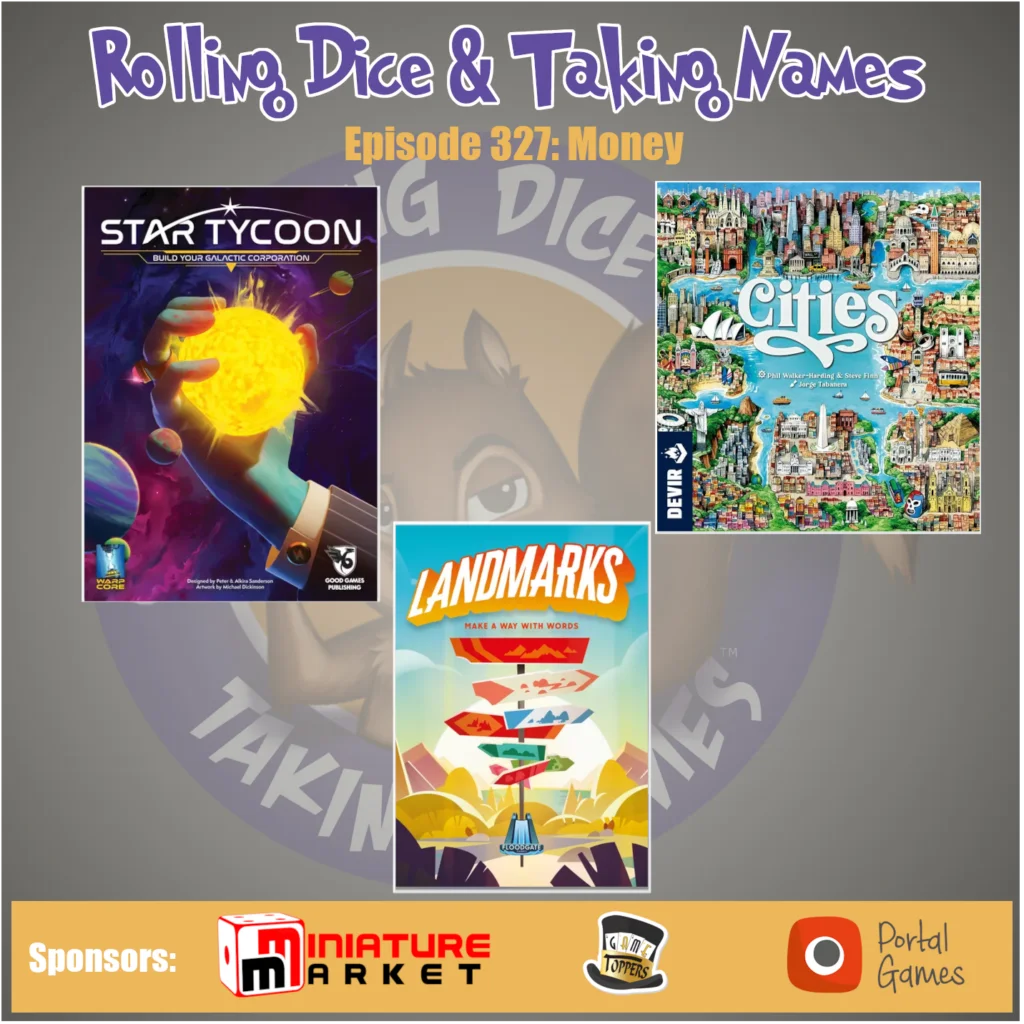
RDTN Episode 327 ranges across several games, but its clearest reviews focus on two different design questions: how much attention a stock market game should give its market, and how a quick city-building game can still make players watch one another. Star Tycoon gets credit for balancing its market against other objectives, while Cities earns a more qualified response. Its small set of objectives keeps play focused, yet the choices players make can interfere with one another’s plans.
Star Tycoon shares the spotlight with its market
Stock market and industry games often put price movement and market decisions at the center of play. The episode’s discussion suggests that Star Tycoon takes a different balance: the market matters, but it doesn’t dominate every decision. Players also have other objectives to pursue, so market activity is one part of a broader set of priorities.
That distinction is the strongest reason offered for the game’s appeal. A market can be an engaging system in its own right, but if every route to progress runs through it, the rest of a game’s choices may feel secondary. Here, the reviewer liked having multiple considerations in play. The market remains relevant without becoming the only measure of success, giving players room to weigh it against their other goals.
Resources also come from more than the market. That matters because it gives players another factor to consider when planning, rather than making resource access depend on a single system. The episode doesn’t lay out the precise resource rules or the details of those objectives, so the useful takeaway is about the overall shape of play: the market shares responsibility for driving decisions with other parts of the game.
For players who have tried several games built around stocks, trading or industry, that balance is the point to listen for. Familiar subject matter doesn’t guarantee a familiar experience; the mix between market choices and other objectives can change how a game asks players to plan. The reviewer’s positive impression is specific and measured: Star Tycoon stood out because the market wasn’t carrying the whole game.
Cities keeps the goals few and the table in view
Cities is described as a quick game that asks players to concentrate on a few objectives. That limited focus can help keep a session moving and make it easier to understand what deserves attention. When teaching the game, though, the episode recommends making one feature clear: players may want to take something another player needs, preventing that person from collecting a large number of points.
That kind of choice adds interaction even when most of the play feels solitary. Players may spend much of their time working on their own plans, but they still need to notice what others are building toward. Ignoring the rest of the table can mean missing a chance to disrupt a rival’s scoring opportunity—or failing to account for someone else taking an element you were counting on.
This is a useful teaching distinction. A game can involve little direct interaction while still rewarding attention to opponents’ progress. Introducing that tension early helps players understand why a seemingly personal decision may involve the whole table. It also sets the right expectation: the game’s focus is on a few objectives, but those goals don’t unfold in isolation.
The episode doesn’t provide a full turn sequence, player count or play time for Cities, so it’s best to treat this as a table impression rather than a rules explanation. What comes through is the balance between a brisk, focused structure and the need to keep an eye on other players. For a short game, that small layer of interference may give each decision more weight than its quick pace suggests.
A wider playlist beyond the featured games
The episode’s chapter list signals a broader conversation around Slingz, Landmarks and Star Wars Unlimited, alongside segments titled Holiday Adventures, Rehash of Old Games and Taste Buds. The available notes don’t summarize those discussions, so they don’t support detailed claims about how those games play. Still, the lineup points to an episode moving among different corners of the hobby rather than staying with one genre.
There are also chapter entries for Miniature Market, Gametoppers LLC, Portal Games and Gamegenic. Their presence identifies topics in the recording, but the notes don’t give further details about what was discussed. The timestamps make it easy to jump between those sections and the longer game conversations.
For listeners choosing where to start, the clearest design discussion arrives with Star Tycoon at 00:31:05, followed by Cities at 00:49:07 and Landmarks at 00:59:11. The earlier chapter for Slingz begins at 00:09:17. Taken together, the episode’s most concrete takeaway is that a game’s central theme doesn’t have to dictate every decision: Star Tycoon spreads attention beyond its market, while Cities asks players to balance personal plans with awareness of the table.


