Why Autograph Collecting Is About the Stories, Not the Signatures
Story by TardisCaptain · 722 readers
From a chance Utah Jazz encounter to convention memories and gifts from friends, these autographs matter for the stories attached to them.
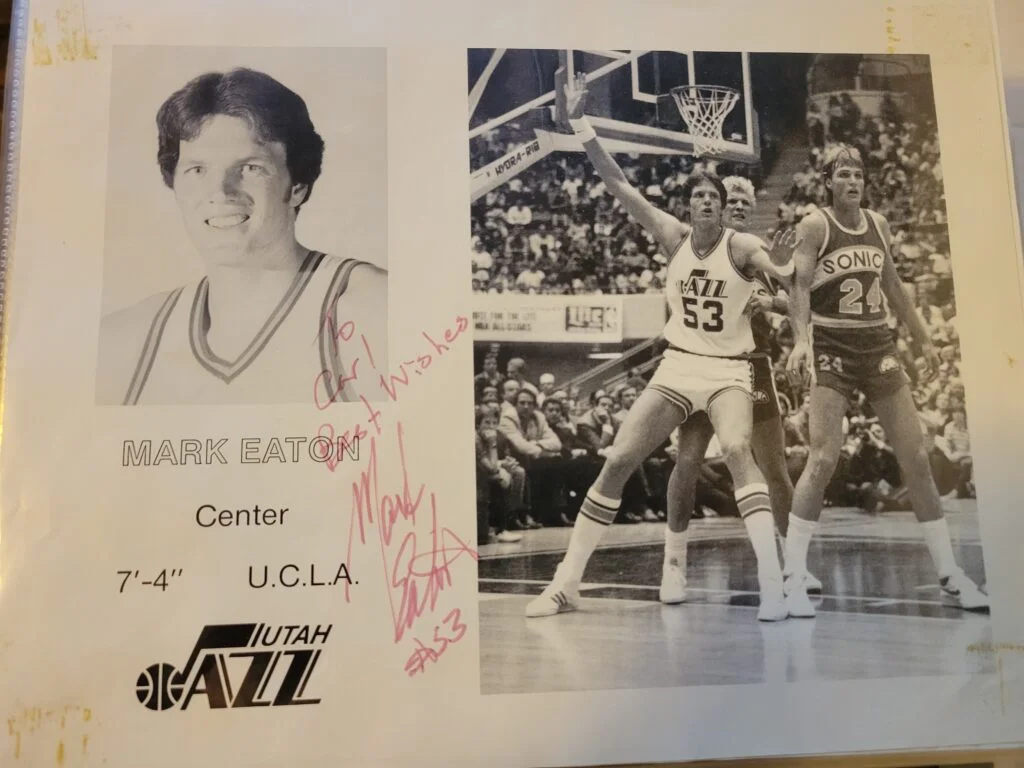
An autograph can be a small object with a long story behind it. For me, the signature is only part of the appeal: there’s the surprise of meeting someone, the work of finding the right item, and the memory that returns whenever I see it. I started collecting in the 1980s, after an unexpected stop at a mall in downtown Salt Lake City introduced me to four members of the Utah Jazz.
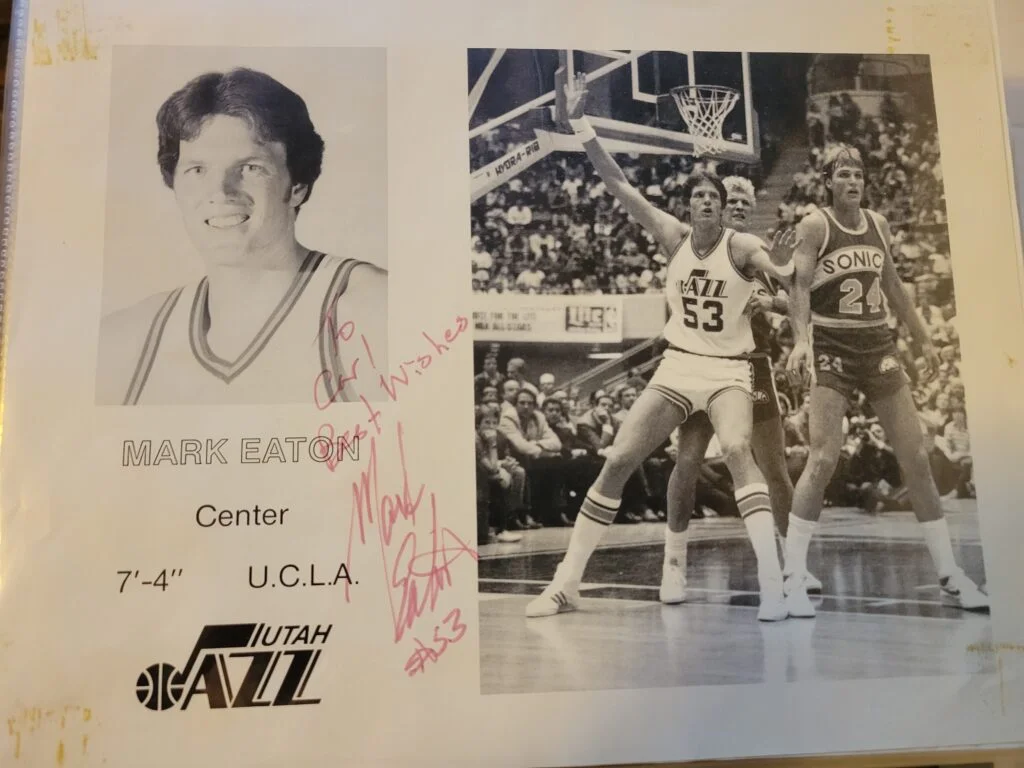
The team had set up a table to meet fans and sign photos. One of the five players ran out of pictures before I reached him, but I got signatures from the other four. What stays with me is as much the setting as the autographs themselves: I was a teenager wandering through the mall on my own, with no idea what I might come across. That chance encounter became the start of a hobby built around moments like that.
Meeting people behind familiar characters
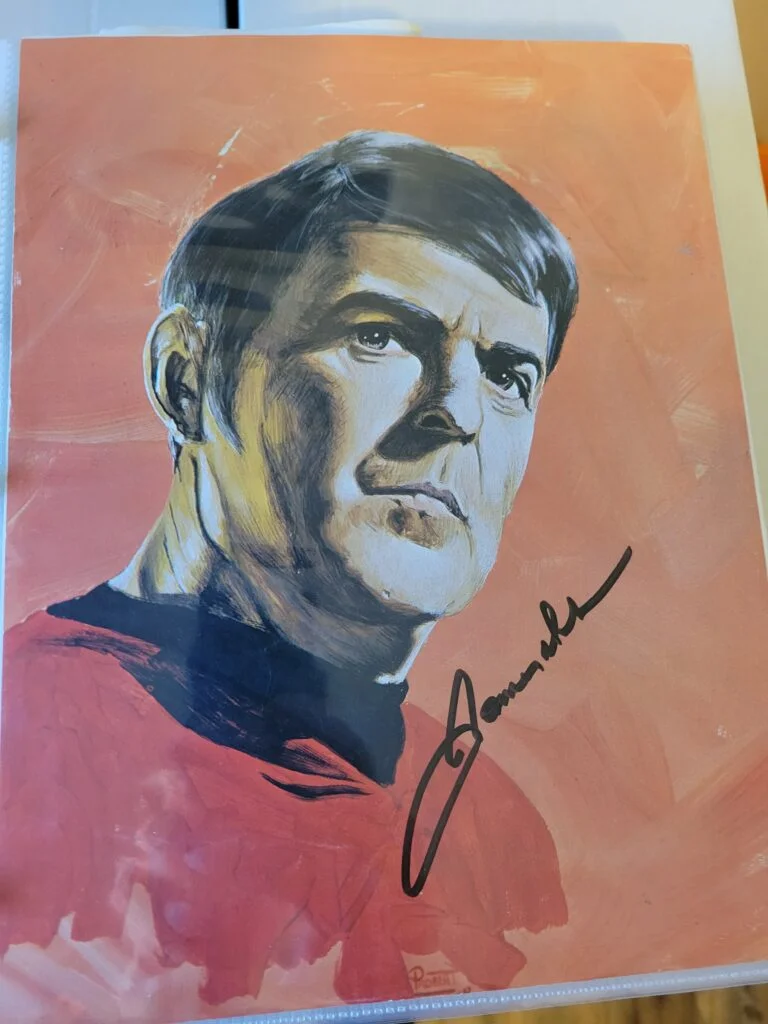
Star Trek conventions later gave me chances to meet actors whose work I knew from television and film. I’ve collected photos with some of them, which I’ve added to my Star Trek Actor’s Photo Gallery, as well as autographs. There’s a particular pleasure in watching someone sign an item. The celebrity has handled it, if only for a moment, and that brief exchange gives the object a personal history.
Meeting James Doohan stands out. He was staying at the hotel where I worked, so our paths crossed beyond the convention itself. I even spoke with him on the phone after the event. That kind of unexpected contact is difficult to plan for, which may be why it remains so vivid alongside the signature.
The item you want can shape the encounter
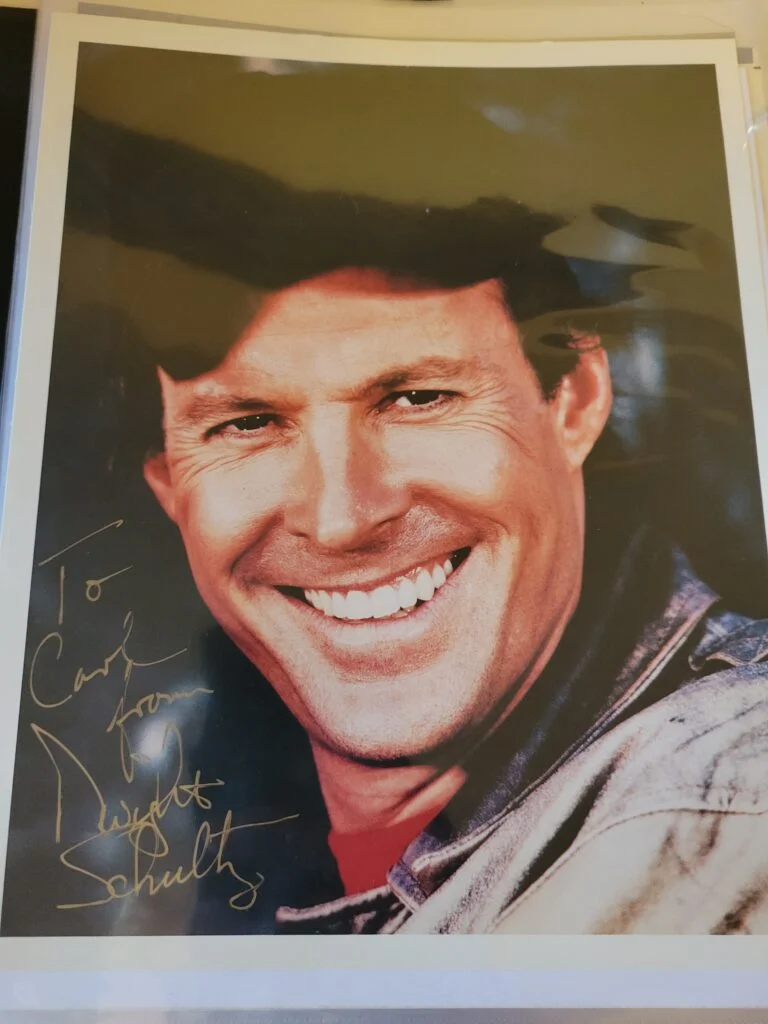
Convention autographs often take preparation. You may travel out of state, find something worth signing, and plan what to say during a short window at the table. Even with a few seconds to speak, choosing the item can make the meeting feel like your own. One experience with actor Dwight Schultz showed how quickly that choice can turn an ordinary signing into a story I’d remember for years.
Schultz is well known for playing Howling Mad Murdock on the 1980s television series The A-Team. I enjoyed the show, but I went to his table hoping to get a photo of Lt. Barclay, his character from Star Trek: The Next Generation, signed instead. Before he arrived, I checked the table and saw plenty of A-Team pictures, but no Star Trek ones. I found a vendor in the dealers room with a stack of Barclay photos and bought one.
I was among the first dozen people in line when signing began. Other fans had complimented the picture as I waited. At the table, I handed the photo and my payment to the assistant. Schultz saw that it was his first Star Trek photo of the day, said, “oh,” and reached for his pen. Then someone behind him snatched the picture away.
The woman shook it at me and shouted, “Where did you get this picture? This is an illegal picture!” I argued that I had paid for it and expected the item I brought to be signed. Schultz looked between us as we spoke over each other. The woman, whom I assumed might be his agent, refused to let him sign it. She instead put one of his photos in front of him and ordered, “Sign it!” He wrote my name on it, and I thanked him. I could tell he felt embarrassed by the scene; I’ve never blamed him for how it unfolded.
Then the woman grabbed me and insisted I show her the vendor. As she pulled me past the line, I noticed fans with the same Barclay photo quickly hiding theirs. They seemed ready to try for their signatures while she was away. I didn’t want the vendor to take the blame, so once we reached the dealers room I gestured vaguely down an aisle and walked the other way. A minute or so later, I heard her shouting at someone. Whenever I look at the Dwight Schultz photo, that tense, strange signing comes back to me, along with the question of what he made of it.
Some signatures arrive through friends
I haven’t met everyone whose autograph I own. Friends who know my interests have sometimes brought me signatures they found themselves, and I’m grateful they thought of me. I’ve enjoyed several “Weird Al” Yankovic concerts, but haven’t met him in person. Two different friends got autographs for me at separate meet-and-greets they attended. I hope to meet him someday; until then, I can enjoy the music and humor, and remember that friends helped bring those signed items into my collection.
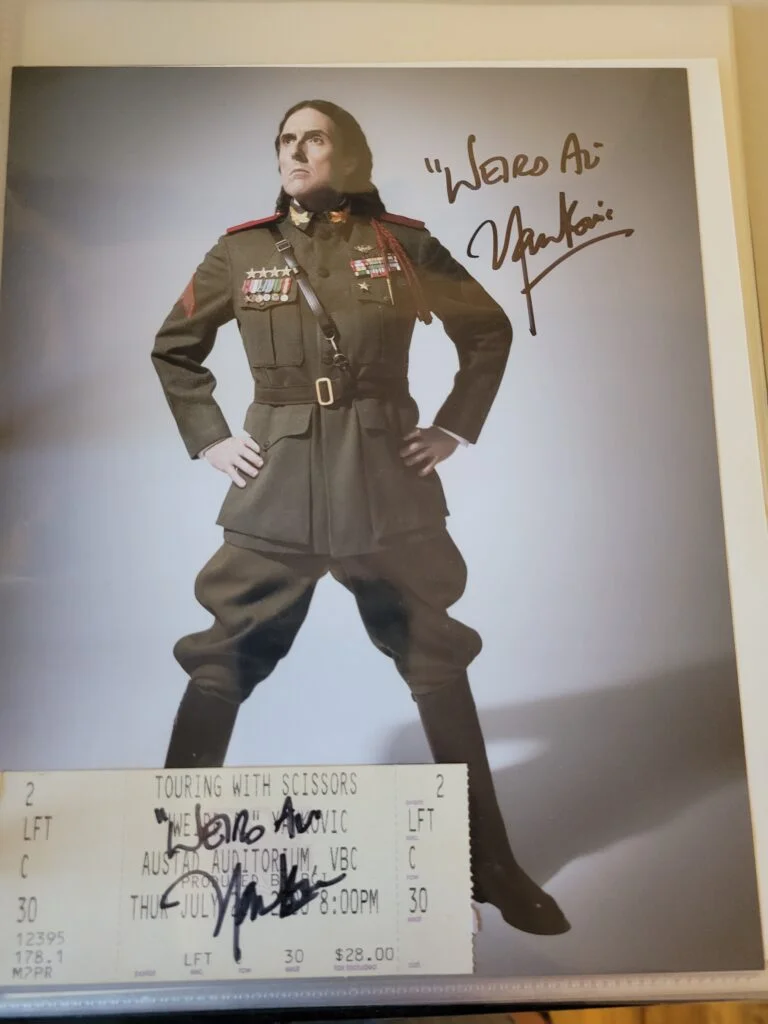
My collection spans much more than photos. There are signatures on artwork, books, action figures, hats, comics, games and other collectibles. A few pieces have become more valuable, particularly after the person who signed them has died, but I’ve never considered selling them. Their worth to me is tied to the effort that went into getting each one, the people I met, and the friends who helped add to the collection.
Large events and online auctions have pushed autograph prices higher, which makes the hobby feel different from that early mall encounter. Still, the value I care about isn’t a resale price. It’s the memory attached to each object: a conversation, a line at a convention, or an unexpected gift. Looking through the collection still makes me smile, and that’s reason enough to keep it.


